
Sex is often described as a workout or a shortcut to happiness. Both claims need a little perspective: the physical effort varies, and much of the health research shows associations rather than proof that sex causes better health. Still, satisfying, consensual sexual activity may offer several less obvious near-term benefits, whether it happens with a partner or solo.

1. It may take the edge off stress
In a 2024 daily-tracking study, people reported less stress and more positive affect the morning after sex, alongside better coping. The finding is encouraging, not a prescription: a daily association cannot prove sex caused the difference, and a stressful or unwanted experience is unlikely to feel restorative. My read is that the quality of the experience matters more than hitting a particular frequency.
2. Sleep may come more easily afterward
The same study linked sex the night before with better reported sleep quality, fewer disturbances and less time awake after falling asleep. Orgasm and relaxation may play a role, but sleep and sexual wellbeing can also influence each other. Sex is a possible wind-down ritual, not a replacement for care when insomnia persists.

3. Pleasure can briefly change how pain feels
Sexual stimulation and orgasm may temporarily raise pain tolerance for some people. A review of the evidence describes reports of headache and menstrual-pain relief, but responses differ: some people with migraine reported worsening rather than relief. That makes pleasure a possible comfort, not a dependable pain treatment; stop if activity increases pain and speak with a clinician about recurring symptoms.
4. Feeling connected is a health outcome, too
A 2024 systematic review of 63 studies found positive sexual-health measures were commonly associated with lower anxiety and depression and greater life satisfaction. That does not mean intercourse itself reliably creates closeness; communication, safety and mutual satisfaction are part of the picture. Sexual wellbeing also does not require a long-term couple: for some adults, consensual companionship, including services such as Louisa, is part of their social lives. This is context, not a health recommendation.
5. It can count as a short bout of activity
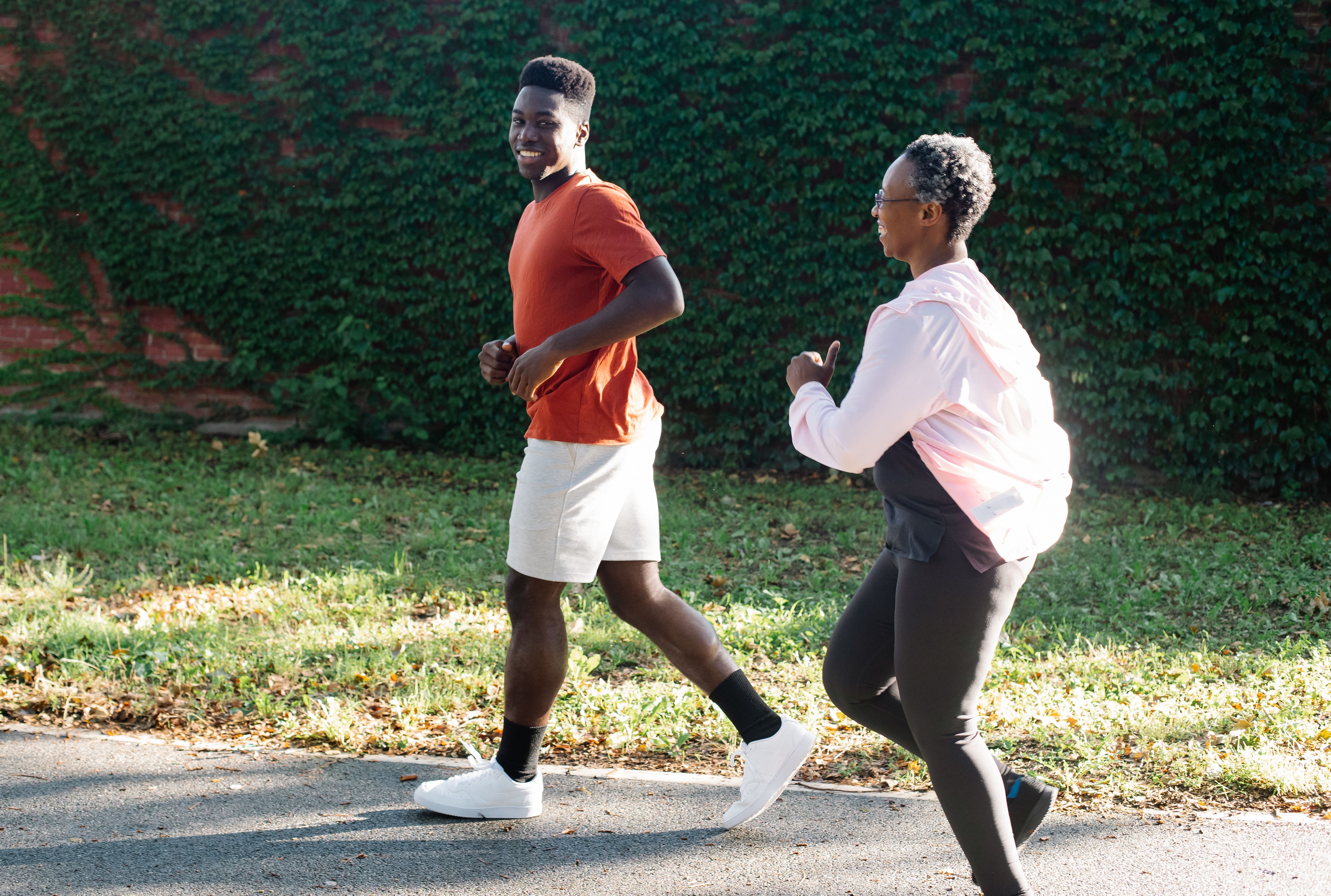
A systematic review of 18 studies found intercourse can involve moderate-intensity physical demands, but effort varies with duration, position and the people involved. In other words, it may raise heart rate and use energy, but it is no substitute for regular exercise-and it is not automatically strenuous. I would treat this as a pleasant bonus, not a fitness plan.
The important caveat
These potential benefits are not a reason to have sex, and no universal frequency is medically required. The evidence is still developing, often observational, and shaped by who is studied. Consent, comfort and safer-sex choices come first; pain, distress or a sudden change in sexual function deserve attention rather than pressure to push through.
Evidence note: This article draws on a 2024 daily-tracking study, a 2024 systematic review, a 2021 review of sexual expression and health, and a 2022 systematic review of physical demands. Findings describe possible short-term effects and associations, not guaranteed outcomes or medical treatment.