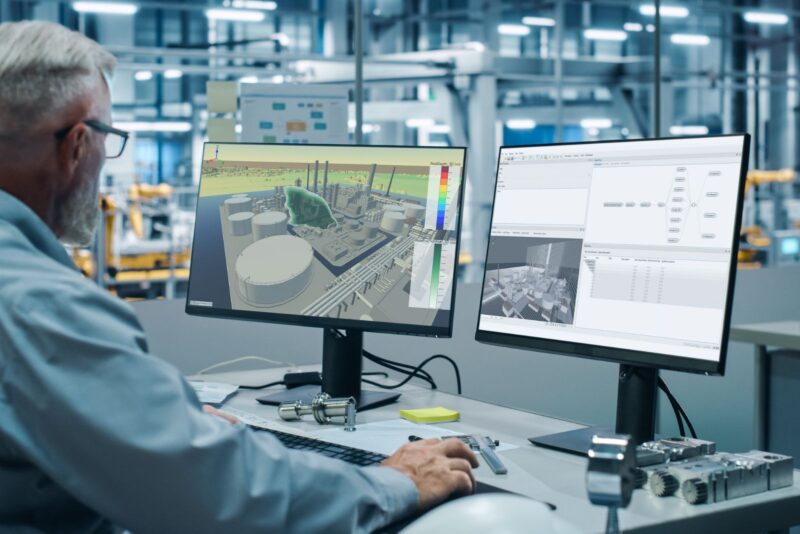
Computer modelling has become an essential tool in modern fire engineering, allowing professionals to better understand how buildings will behave in the event of a fire. Instead of relying only on standard assumptions, modelling provides a more detailed and realistic picture of fire development, smoke movement, and occupant safety. This approach helps designers create safer buildings while still allowing flexibility in architectural design.
By using advanced simulation techniques, fire engineers can assess risks, test different scenarios, and ensure that safety requirements are met before construction is completed. This leads to more informed decisions and improved overall safety outcomes.
Understanding Fire and Smoke Behaviour

One of the main benefits of computer modelling is the ability to predict how fire and smoke will spread within a building. These simulations can show how quickly a fire may grow, how heat will move through spaces, and how smoke can affect visibility and breathing conditions.
Using CFD for modelling fire regulations allows engineers to create detailed simulations of airflow, temperature changes, and smoke movement. This level of analysis helps identify potential hazards and ensures that design solutions effectively manage fire risks.
Understanding these factors is critical for designing safe evacuation routes and ensuring that occupants have enough time to exit the building during an emergency.
Testing Evacuation and Safety Systems
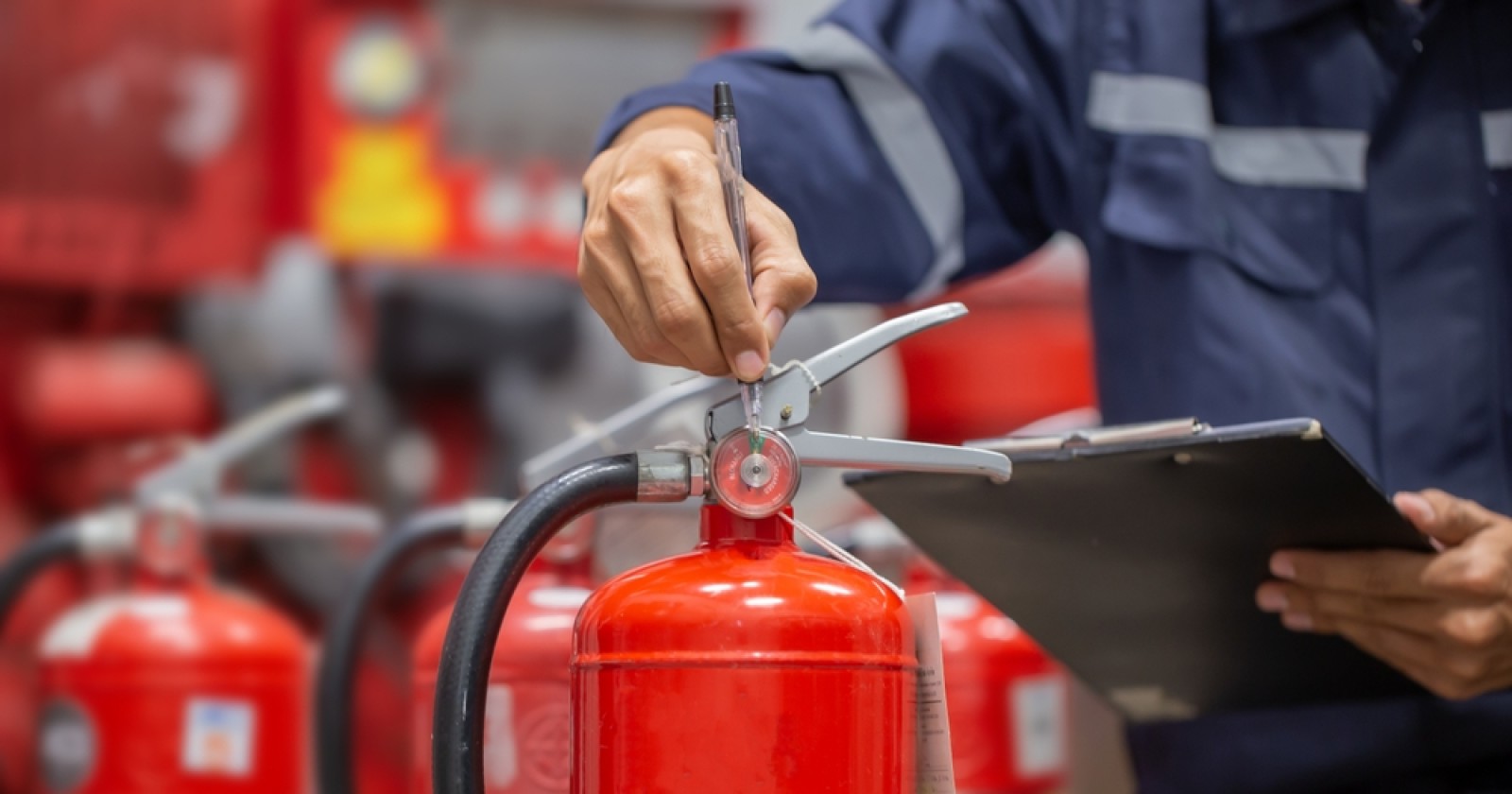
Computer modelling also helps evaluate how people will move through a building during an evacuation. By simulating different scenarios, engineers can determine whether exits are sufficient, corridors are wide enough, and evacuation times meet safety requirements.
In addition, modelling can assess the effectiveness of safety systems such as smoke control, sprinklers, and ventilation. These systems play a key role in limiting fire spread and maintaining safe conditions for occupants.
By testing these elements virtually, engineers can optimize their design before construction, reducing the need for costly changes later.
Supporting Compliance and Design Flexibility
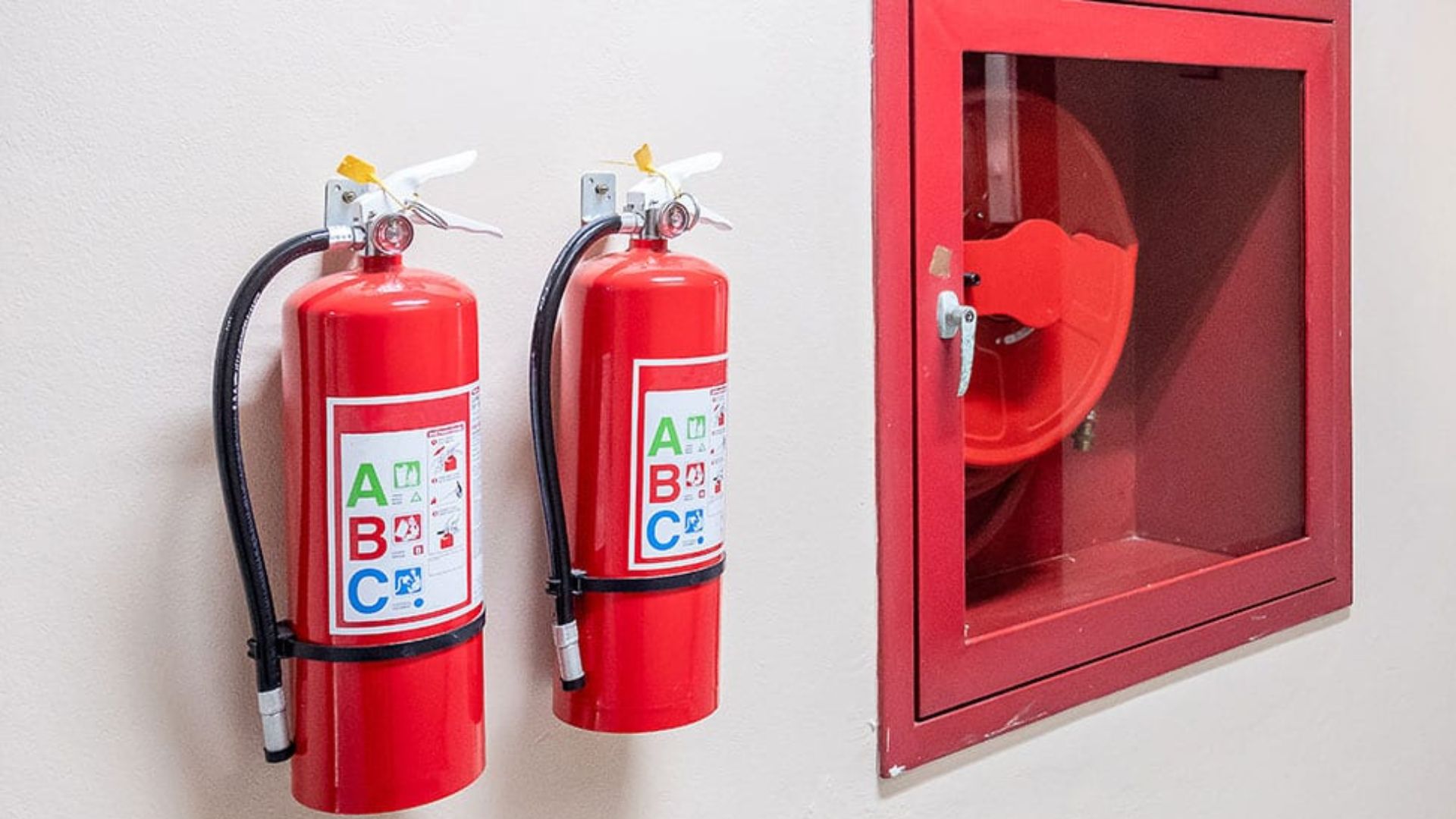
Building regulations often set minimum requirements for fire safety, but complex or modern designs may not fit standard solutions. Computer modelling provides a way to demonstrate compliance through performance based analysis rather than strict adherence to prescriptive rules.
This allows architects and engineers to explore innovative designs while still proving that safety objectives are achieved. Detailed reports and simulation results can be used to support approval processes and provide confidence to regulators.
As a result, modelling not only improves safety but also enables more creative and efficient building designs.
Conclusion
Computer modelling offers valuable insights into building fire safety by predicting fire behaviour, testing evacuation scenarios, and supporting compliance with regulations. By using advanced tools and simulations, fire engineers can design safer buildings and address potential risks before they arise. This approach leads to better decision making, improved safety outcomes, and greater flexibility in modern building design.