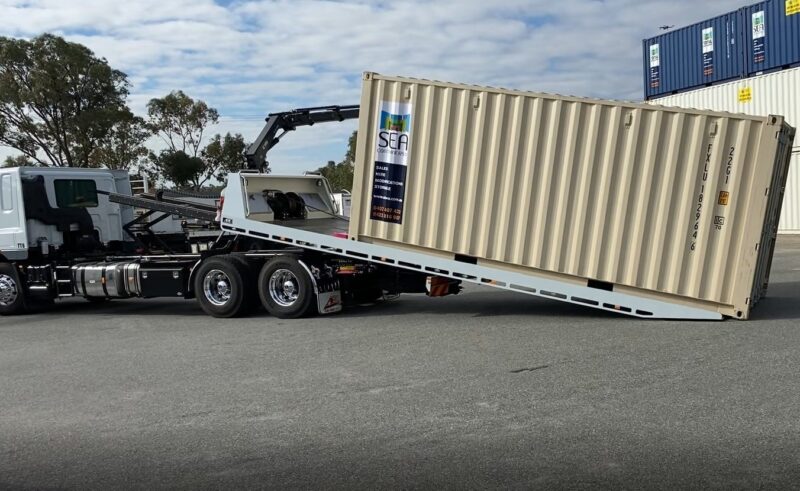
Transporting a 20ft shipping container requires more than simply arranging a truck. Proper planning, secure load restraint, and adequate site preparation are essential to ensure safety, compliance, and efficiency. Whether the container is being moved for storage, construction, or commercial purposes, understanding the correct procedures helps avoid costly mistakes and delays.
Planning The Transport Of A 20ft Shipping Container
Before booking a service, many businesses research providers where they can discover container transport in Brisbane and compare equipment options suitable for 20ft units. Planning begins with confirming the exact dimensions and weight of the container. A standard 20ft container is approximately 6 meters long and can weigh over 2,200 kg empty, with significantly higher weight when loaded.
It is critical to determine whether the container is empty or fully packed, as this affects trailer selection and legal load limits. Tilt trays, side loaders, and flatbed trailers are commonly used depending on access conditions and unloading requirements.
Route planning is another important step. Drivers must consider bridge height restrictions, road weight limits, tight corners, and overhead obstacles such as power lines. Early planning reduces the risk of rerouting or permit complications on transport day.
Clear communication between the client and transport provider ensures accurate scheduling and prevents misunderstandings about access conditions at both pickup and delivery sites.
Load Restraint And Safety Requirements
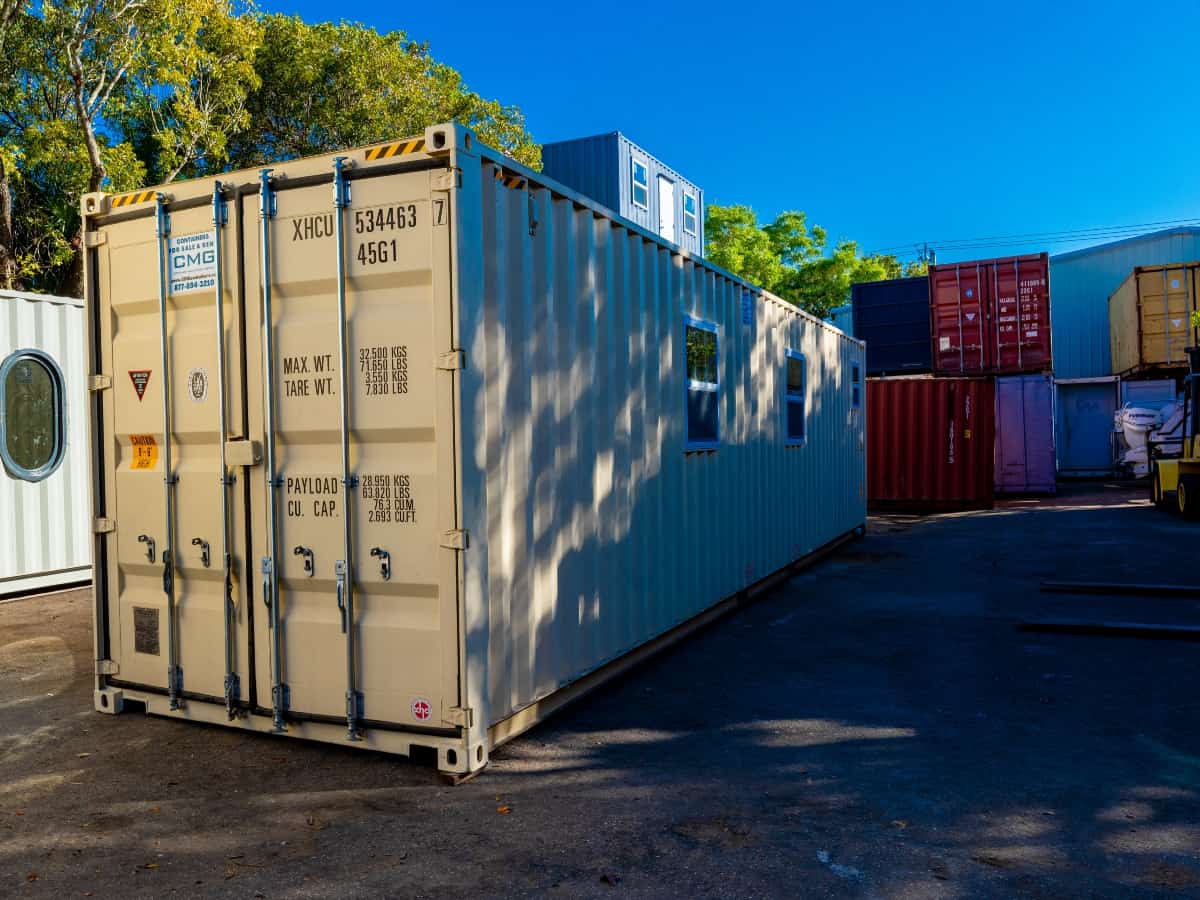
Load restraint is one of the most critical aspects of container transport. Containers are designed with corner castings that allow secure locking onto trailers using twist locks. These locking systems prevent movement during transit and are considered the safest method of securing containers.
In addition to twist locks, chains and binders may be used as secondary restraint measures, especially if the container is heavily loaded. All securing equipment must meet local transport safety standards and be inspected before departure.
Weight distribution inside the container also plays a key role. Unevenly distributed cargo can shift during transit, affecting vehicle stability. Heavy items should be evenly spread and secured internally to prevent imbalance.
Drivers should conduct pre departure checks, ensuring that all locking mechanisms are engaged, tires are properly inflated, and braking systems are functioning correctly. During longer journeys, periodic stops are recommended to verify that restraints remain tight and secure.
Site Preparation For Pickup And Delivery
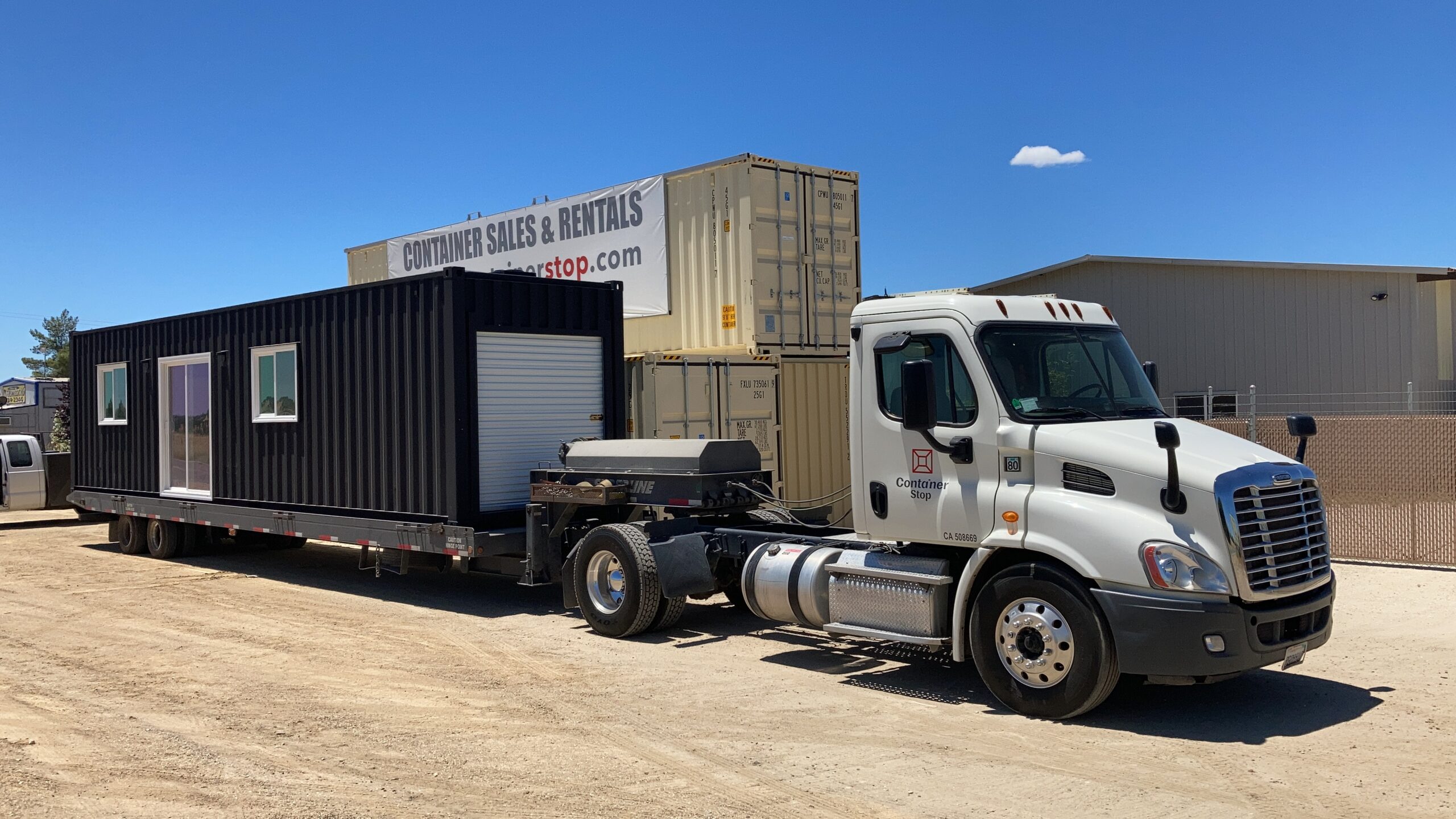
Proper site preparation ensures smooth loading and unloading. The pickup and drop off locations must provide sufficient space for large transport vehicles to maneuver safely. A 20ft container truck typically requires significant turning space and stable ground conditions.
The surface should be firm and level, capable of supporting the combined weight of the truck and container. Soft soil, sand, or uneven terrain may require ground reinforcement to prevent sinking or instability during unloading.
Clear overhead access is equally important. Power lines, tree branches, or low structures can interfere with lifting operations, particularly when using side loader trucks that raise containers during placement.
Ensuring clear communication on placement position also prevents the need for repositioning after unloading, which can add time and cost to the job.
Conclusion
Transporting a 20ft shipping container involves detailed planning, strict load restraint procedures, and careful site preparation. From selecting the appropriate trailer to ensuring balanced weight distribution and safe unloading conditions, every step contributes to a secure and compliant move. By understanding these requirements in advance, businesses and individuals can ensure efficient container transport without unnecessary complications.