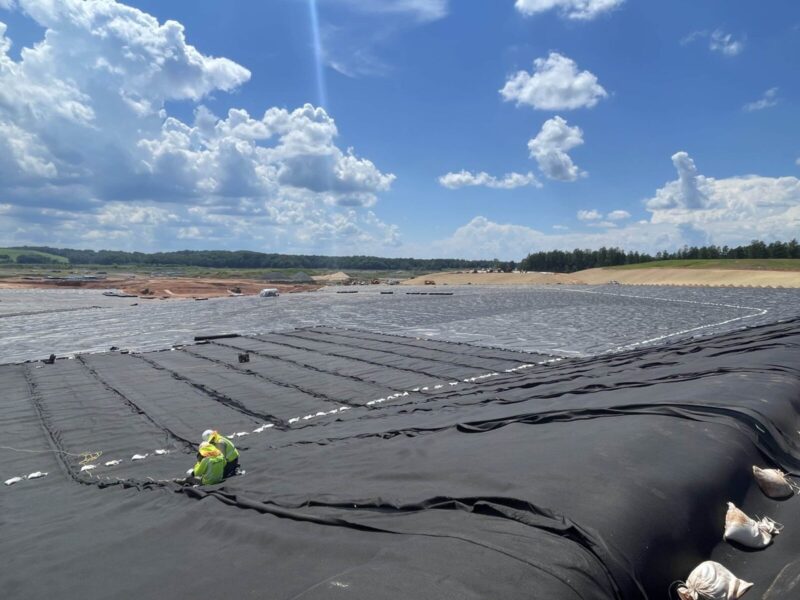
Geosynthetic materials play a crucial role in modern construction projects, particularly in infrastructure, environmental protection, and ground stabilization. Ensuring their quality and proper performance is essential for long term durability and safety. This is where material testing and specification verification become critical, helping engineers and project managers confirm that all components meet required standards and function as intended under real conditions.
The Importance of Geosynthetic Material Testing

Testing geosynthetic materials is necessary to evaluate their strength, permeability, durability, and resistance to environmental factors. These materials are often used in demanding applications such as road construction, landfill liners, drainage systems, and erosion control. Without proper testing, there is a risk that materials may fail prematurely or not perform as expected.
Laboratory and field tests help verify key properties such as tensile strength, puncture resistance, and filtration capacity. By conducting these evaluations before and during construction, project teams can ensure that the selected materials align with design requirements and will perform reliably over time.
Specification Verification and Compliance
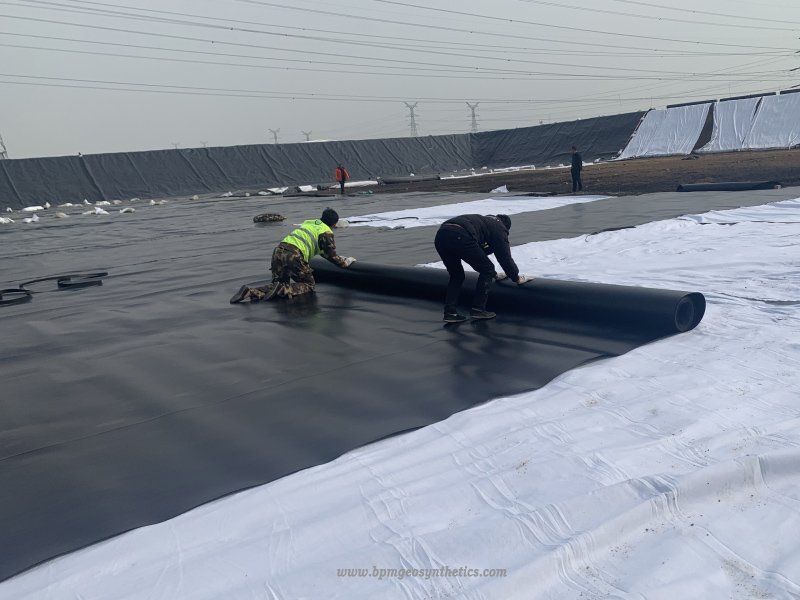
Verifying that geosynthetic materials meet project specifications is just as important as testing their performance. This process involves comparing supplied materials with approved standards, technical data sheets, and design expectations. Ensuring compliance helps prevent the use of substandard or incorrect materials that could compromise the entire project.
During this stage, it is essential to confirm that your project must have construction safety assurance as part of the overall quality control process. This includes proper documentation, traceability of materials, and adherence to regulatory requirements. Accurate specification verification supports transparency and builds confidence in the integrity of the construction work.
Ensuring Long Term Performance and Safety
Beyond initial testing and verification, ongoing monitoring is important to maintain the effectiveness of geosynthetic systems. Environmental conditions, load stress, and installation quality all influence long term performance. Regular inspections and quality checks help identify potential issues early and allow for timely corrective actions.
By integrating testing, verification, and continuous evaluation, construction teams can reduce risks and improve project outcomes. This approach not only enhances structural stability but also contributes to environmental protection and cost efficiency over the lifecycle of the project.
Conclusion
Geosynthetic material testing and specification verification are essential components of safe and reliable construction. By ensuring that materials meet required standards and perform as expected, project teams can achieve stronger, more durable results. With proper quality control and attention to detail, construction projects can maintain high safety levels and deliver long lasting performance.